
Color
Building a Pastel Palette With Contrast
Soft color still needs structure, hierarchy and readable edges.
AI-assisted editorial draft · human editor pending ·
Read the story ↗Dessert styling, color and miniature scenes
A cheerful but careful design journal about dessert imagery, pastel palettes, playful composition and the craft of making sweet scenes readable.
How pink, lemon, cream and turquoise can work together without visual clutter.
02 · DessertsCupcakes, candy forms and fruit-like shapes as subjects for visual study.
03 · StylingProps, spacing, labels and camera angle for food-inspired editorial imagery.
Featured stories
Each article has a clear opening, practical sections, a working takeaway and source notes for factual claims.
Color
Soft color still needs structure, hierarchy and readable edges.
AI-assisted editorial draft · human editor pending ·
Read the story ↗Desserts
Spiral frosting, wrappers and small decorations can lead the eye.
AI-assisted editorial draft · human editor pending ·
Read the story ↗
Color
Describe visible inspiration without promising ingredients that are not documented.
AI-assisted editorial draft · human editor pending ·
Read the story ↗Styling
Tiny props need spacing and clear focal order to avoid clutter.
AI-assisted editorial draft · human editor pending ·
Read the story ↗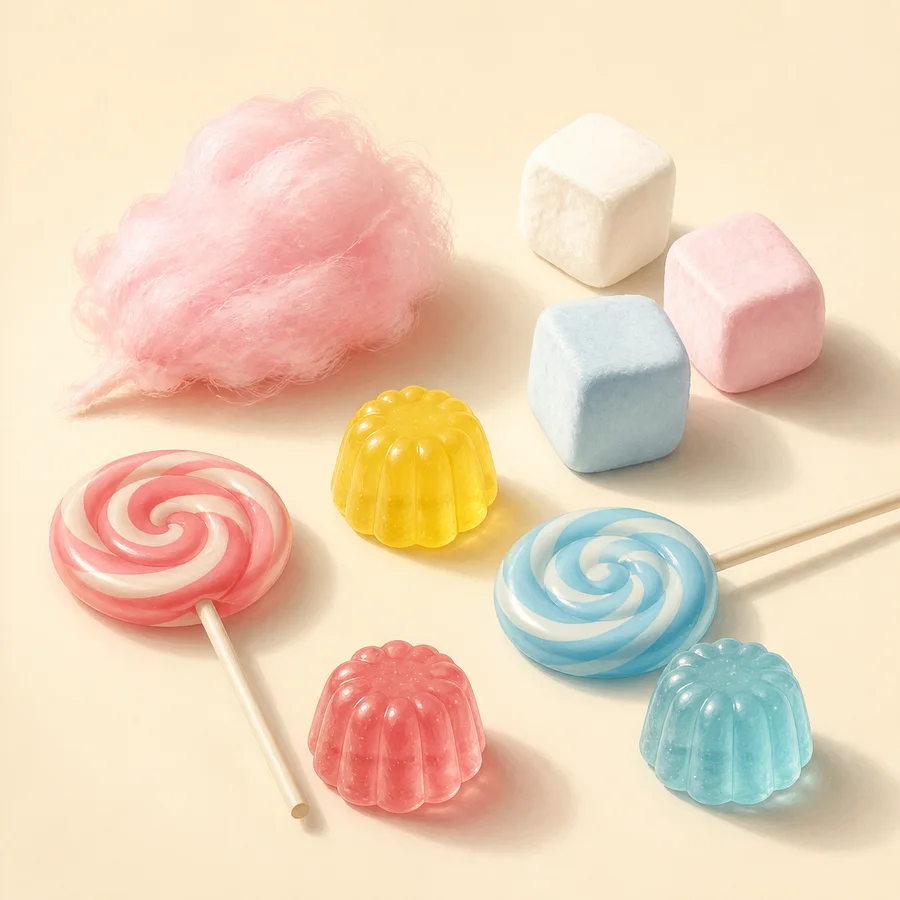
Desserts
Reflections, edge highlights and matte crumbs create different surface cues.
AI-assisted editorial draft · human editor pending ·
Read the story ↗Styling
A generated dessert image should not be presented as a bakery product photo.
AI-assisted editorial draft · human editor pending ·
Read the story ↗Guide table
No rankings, no exaggerated claims; just observable features and responsible editorial use.
| Subject | Visible features | Responsible editorial use |
|---|---|---|
| Pastel hero | Large soft shapes and one bright accent | Use as cover mood |
| Detail crop | Texture, sprinkles and edge highlights | Use for craft notes |
| Miniature scene | Props and scale cues | Use for styling analysis |
Editorial method
The reference standard is simple: observe first, explain second, and label modern imagery honestly.
Shape, light, surface and surrounding space come before interpretation.
A museum, agency or education source supports factual context.
Captions name whether the image is original, generated, photographed or documented.
The source register explains what each link actually supports.
Sources
Sources are included to support nearby educational claims. A link does not mean the institution endorses this site, and a modern image is not treated as documentation.
Teaching framework for color, line, shape, form and texture.
Museum thematic entry for food imagery in art-historical collections.
Nutrition context used only for careful, non-medical explanation of sugar and diet.
General reminder that public access and reuse permission are separate questions.
Sweet Bonanza Studio covers a cheerful but careful design journal about dessert imagery, pastel palettes, playful composition and the craft of making sweet scenes readable.
No. These are editorial draft sites with articles, image notes, sources and no commercial offers.
No. Local visuals are contemporary editorial assets unless a page explicitly links to an external documented source.
Each story includes source notes, and the Sources & Image Credits page gathers the full register.
Reuse requires permission from the verified rights holder and review of the final publication terms.